Seasons in the Hands: From Peaks to Shores

Step into Seasonal Craft Calendar: Mountain Harvests and Coastal Materials Shaping Handmade Traditions, and follow how local plants, fibers, shells, seaweed, wood, and wool travel through the year. Watch gatherings become dyes, knots, weaves, carvings, and gifts. Learn small, respectful practices that transform raw abundance into heirlooms, community bonds, and sustainable livelihoods while celebrating the rhythm that ties alpine paths to tidal pools and invites your own hands to join the making.

Nettle Thread and Willow Bark Ribbons
Learn to strip nettle with gloves, simmer stalks to loosen pith, and twist lustrous cords that surprise with strength. Pair those cords with willow bark ribbons harvested from pruned branches, never live crowns, then soaked, split, and softened for lashing frames or accenting baskets. Along the way, note how gentle timing preserves stands for birds and insects, and how humble weeds, handled kindly, carry both utility and an early-season glow of green resilience.

Coastal Seaweed Pressings and Salt-Dyed Linen

Gather storm-tossed kelp and bladderwrack after high tide, documenting each find before a light rinse to spare tiny creatures. Press fronds between absorbent papers to reveal sculptural, botanical silhouettes, or brew a mineral bath that lends linen a soft, weathered cast. Salt crystallizes like frost on shoreside windows, catching spring sun. Keep safety central: check local guidance on protected species, avoid slippery rocks, and never harvest attached algae. Your results feel wind-cured, briny, and quietly luminous.

Community Cleanups as Creative Supply Hunts

Turn beach and trail cleanups into ceremonial beginnings for spring projects. Sorting finds teaches material literacy: plastics discarded, glass tumbled, rope ends salvaged for practice knots, driftwood tagged for later curing. Friends bring thermoses and stories; younger helpers learn stewardship in action. Post your discoveries, celebrate local volunteers, and track litter reductions over months. Every bag filled clears a path for creativity, proving that hands protecting a place soon find themselves crafting treasures worthy of that care.

Summer Heights and Tides: Tools, Looms, and Lines

With mountain meadows buzzing and bays sparkling, summer crowns the making season. Outdoor carding, spinning, knot-tying, and grass weaving thrive in long light. Fleeces dry on lines, looms hum beneath porches, and maritime knots reshape utility into ornament. Fisherfolk wisdom meets highland patience, and tools demand care under heat: oiled blades, shaded yarns, cooled hands. This is when mentors appear, often in small, generous gestures, correcting a twist, suggesting a splice, and celebrating every sturdy, handmade line.

Alpine Wool: Shear, Wash, Card, Spin

Time shearing to spare animals stress and preserve staple length. Skirt fleeces, wash in lukewarm, steady baths to avoid felting, then dry across airy racks away from direct sun. Card rhythmically, alternating strokes until clouds align, and spin with summer’s steadiness, drafting slowly while wind passes through windows. An early strand may wobble; keep it. Those uneven first meters carry place, laughter, and the scent of meadow, becoming a bracelet, bookmark, or reminder that mastery grows by gentle inches.

Mariner’s Knots for Everyday Objects

Use square knots and bowlines for dependable loops, clove hitches for anchoring, and decorative turk’s heads for handles and jars. Practice with salvaged rope ends from harbor cleanups, marking improvements in journals as muscle memory forms. A retired dockworker once shared how a perfectly dressed knot saved a skiff during a sudden squall; that story now guides patient practice. Knots marry beauty and safety, reminding makers that function, when honored, often looks effortlessly elegant under hand and light.

Heat, Humidity, and Tool Care by the Water

Salt air and sun challenge blades, planes, and needles. Wipe steel often, oil wooden handles, and rest projects beneath breathable covers during midday glare. Soak reed and beach-grass briefly before weaving to prevent cracking. Rotate tasks: morning spinning, afternoon knot drills in shade, evening layout sketches with cooling breezes. A simple habit journal preserves tools and mind alike. In coastal workshops and mountain cabins, maintenance feels like conversation, a steady exchange ensuring longevity, safety, and quietly gleaming edges.

Autumn Abundance: Dyes, Woods, and Fermented Hues

Walnut Hull Ink and Mountain Iron Tannins

Collect fallen green hulls wearing gloves, simmer gently, and let steep until a deep, earthy brown emerges. Filter patiently and add a touch of iron solution from rusted nails soaked in vinegar, testing shades on scraps before bottling. Mountain water’s mineral fingerprint subtly alters hues, so record altitude, spring names, and weather. Each label becomes a map of season and place. Paired with soft brushes, this ink writes gratitude letters, tags woven blankets, and sketches autumn’s textured hush.

Seaweed-Assisted Mordanting and Colorfast Fixes

Explore gentle, locally lawful methods, testing small swatches before large batches. Dried seaweed can thicken dye baths and influence hand, while traditional alum or plant-based tannins secure color. Pre-wet fibers in cool, clean water, and introduce warmth slowly to avoid shock. Hang samples against a south-facing wall to observe fade over weeks, inviting sunlight as collaborator rather than enemy. A community notebook of triumphs and missteps becomes priceless, keeping brilliance on cloth without burdening coasts or highland streams.

Driftwood and Fallen Branches: Curing and Carving

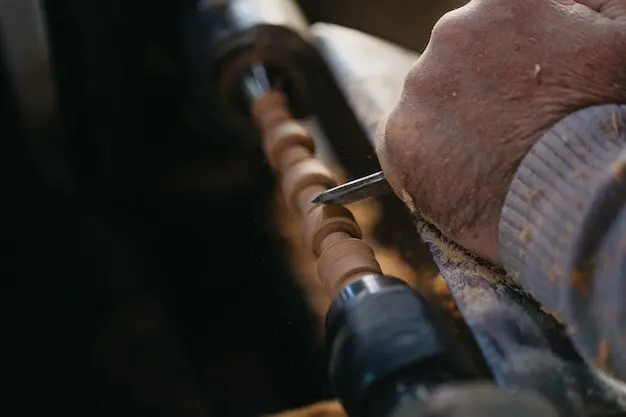
Select only naturally shed wood, leaving rooted plants and sensitive dune systems undisturbed. Label pieces by beach or ridge, then dry gradually to prevent checking, sealing ends with wax and storing with airflow. Begin carving with greenish mountain cherry or well-seasoned drift pine, letting grain reveal spoons, buttons, or frames. Finish with food-safe oils, celebrate knots and weather-etched lines, and gift pieces with notes about tides, wind directions, or first frosts. These markings carry geography forward, hand to hand.

Winter Quiet: Mending, Braiding, and Storykeeping

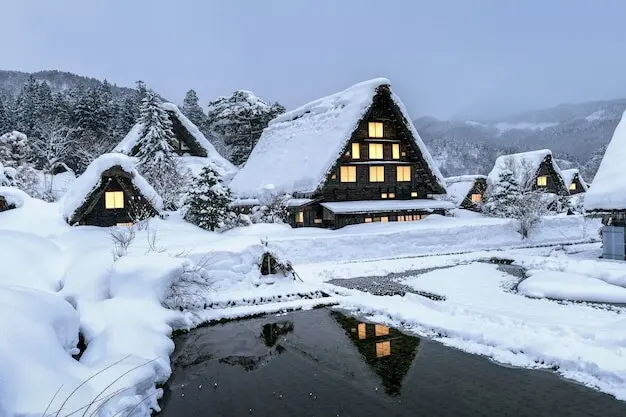
When trails glaze and seas darken early, winter centers the circle through repair, reflection, and gentle skill-building. Darning socks, patching nets, braiding cords, and cataloging samples transform slowed days into meaningful momentum. Kettles whisper, lamps pool warm light, and elders recount first boats launched or flock bells heard after storms. Not everything must be new; sometimes the bravest craft is a thoughtful mend that honors labor already invested, making durability feel like poetry stitched into familiar seams.

Net Patches, Darned Heels, and Visible Mending

Practice patching with contrasting yarns so every repair becomes storytelling rather than camouflage. Use darning mushrooms for curved heels, twine for net meshes, and firm backstitches where strain gathers. A coastal aunt once saved a family trip by mending a torn crab pot at dawn; such rescues echo in daily textiles, turning flaws into emblems of care. Share before-and-after photos, inspire neighbors to repair first, and track landfill diversions for real proof that beauty and responsibility align.

Braids, Cords, and Keepsakes for Long Nights

Spin candlelit hours into braids for hat ties, curtain pulls, and journal closures. Combine mountain nettle with beach hemp, learning how mixed fibers balance flex and grip. Add simple beads from carved drift seeds, marking milestones or promises. Children can count plaits by whispering wave patterns, keeping rhythm steady. Store small finished cords in tins alongside handwritten labels that note moon phases or snowfall depth. By late winter, you hold a drawer of quiet victories with practical purpose.

Oral Histories and Pattern Notebooks

Record interviews with shepherds, fishers, and basketmakers, asking about seasonal checkpoints, lucky superstitions, and tools that never fail. Transcribe snippets beside swatches, sketches, and knots, cross-referenced by month. These pages become a household atlas of hands. When spring returns, newcomers can step directly into living knowledge, avoiding avoidable mistakes. Offer copies to local libraries or community centers, ensuring that crafts circulate like winter stories warmed by tea, ready to guide the next set of patient makers.

Ethics of Harvest: Respect for Peaks, Shores, and People

Materials come from living systems and living cultures; care is nonnegotiable. Learn local laws, seek permissions, and avoid protected species. Trade fairly, credit mentors, and purchase when harvesting would harm habitats. Practice “take little, leave plenty,” pack out waste, and log locations discreetly to prevent over-collection. Remember that many patterns carry ancestral meaning; approach with humility, compensation, and collaboration. The most beautiful object is the one your grandchildren can still make because a landscape remained healthy.

Markets, Festivals, and Exchanges Across the Year

Seasonal making blooms outward through stalls, swaps, and shared tables. Spring and summer fairs test new weaves and coastal prints; autumn markets glow with walnut inks and carved spoons; winter pop-ups carry mended textiles and small, thoughtful bundles. Practice storytelling prices value without apology. Trade materials with neighbors, organize dye-pot days, and document provenance for curious visitors. Each handshake becomes a thread, binding livelihoods to landscapes and inviting strangers to become co-stewards of careful, celebratory craft.

Your Seasonal Planner: Subscribe, Share, and Join Workshops

Keep momentum with gentle reminders, shared experiments, and inviting conversations. Subscribe for monthly checklists aligned to harvest windows, safe gathering tips, and small projects that use what nature already offers. Share photos, questions, and field notes; we feature reader discoveries alongside long-form guides. Vote on future tutorials, propose collaborations, and help map responsible sources. This is a circle, not a stage, and every voice strengthens it, so pull up a chair and add your bright thread.

Monthly Reminders and Gentle Deadlines

Receive a calm nudge before each shift in weather: prepare dye jars, mend sailing gloves, pre-soak reeds, or label walnut hulls. Deadlines remain friendly, more tide than timer, encouraging participation without pressure. Miss a month? No worry—seasons return. Our notes highlight alternatives for urban balconies or inland apartments, ensuring everyone can practice respect, creativity, and resourcefulness. Over time, these reminders form a reliable rhythm that keeps projects moving without rushing the slow, essential joys of craft.

Reader Gallery: From Mountain Paths to Tidal Pools

Send images of your nettle cords, seaweed pressings, carved spoons, and carefully mended knits, including captions about where materials were found and who taught you the moves. We curate monthly galleries that credit makers fully, link portfolios, and celebrate experiments alongside polished pieces. Comment generously on others’ posts, ask questions, and trade insights. This participatory archive grows into a living atlas, gracefully illustrating how shared practices bloom uniquely in each valley, cove, studio corner, kitchen table, and windy deck.

Ask Us Anything: Materials, Methods, and Memories

Write with puzzles about knot choices, dye fixatives, tool rust, or respectful sourcing. We answer publicly so knowledge circulates, inviting experts—shepherds, divers, rangers, and librarians—to weigh in kindly. Share small triumphs, like a first smooth splice, or lessons learned from a misbehaving vat. Your questions refine future guides, seed workshops, and uncover regional wisdom otherwise missed. Together, we keep curiosity bold and safety steady, ensuring traditions evolve thoughtfully while remaining rooted in place, patience, and community.

Xariviromiraloro
Privacy Overview

This website uses cookies so that we can provide you with the best user experience possible. Cookie information is stored in your browser and performs functions such as recognising you when you return to our website and helping our team to understand which sections of the website you find most interesting and useful.