Deep Time, Shared Tables

Today we journey from cheese caves to fish curers, exploring slow food techniques as living craft heritage, where flavor is shaped by stone, salt, smoke, and seasons. In these patient practices, makers read walls, winds, and microbes like elders, translating place into nourishment. We will meet cellars carved into hillsides and racks facing cold seas, and listen to stories of families who guard methods while welcoming curious learners. Settle in, add your voice, and help keep this knowledge alive. Subscribe to follow upcoming visits to cellars and curing sheds, and share questions we can carry to makers.

Under the Mountain and Beside the Sea
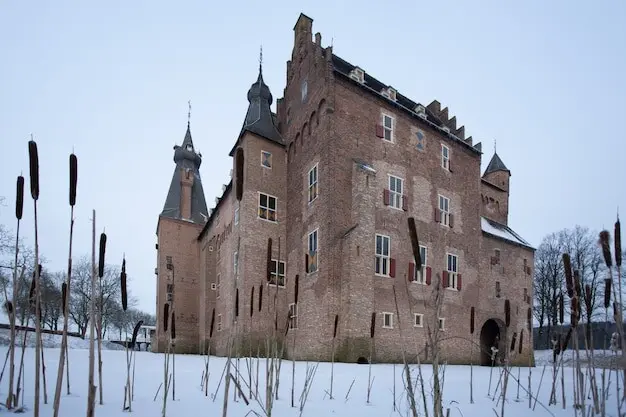
Between dripping limestone and wind-salted harbors, patient artisans guide milk and fish toward resilience and grace. Cellars breathe at steady temperatures while tides dictate salting hours, and both landscapes ask for humility, observation, and time. This is food as a biography of place, where caves lend steady moisture, shores lend cleansing breezes, and skilled hands translate subtle shifts into safe, expressive flavors that speak clearly of communities, animals, waters, and the seasons holding them together.

The Craft Toolkit: Caves, Cellars, Kilns, and Curing Racks

Tools in these worlds look humble, yet carry deep intelligence. Slatted racks maximize airflow without tearing delicate flesh; clay floors wick moisture; cloth binds regulate breathing. Thermometers, hygrometers, and knives live alongside inherited instincts, forming a partnership that turns perishable harvests into durable, luminous food stories.

Controlling Humidity with Wisdom and Simple Instruments

A cheesemaker kneels to feel damp tiles, then checks a modest gauge, adjusting vents a finger’s width. This duet between fingertips and numbers keeps rinds supple and interiors stable, protecting texture while allowing those prized aromas and edible blooms to awaken with clarity.

Salterns, Brines, and the Geometry of Salt

Salt draws water, seasons gently, and safeguards life. In barrels and stone troughs, makers calculate ratios by experience, float eggs or hydrometers, and stir to dissolve crystals evenly. Thickness, time, and temperature form a geometry that steadies proteins while keeping flavors bright and layered.

Smokehouses and Woods: Beech, Oak, Alder, Juniper

Different woods lend delicate signatures, from alder’s sweetness to beech’s steady warmth. Curators of smoke monitor ember beds, draft, and distance, coaxing fish and cheeses to absorb kiss rather than mask. The result is nuanced preservation, perfumed with forests and patient, evening firelight.

Passed Hand to Hand: Teaching, Rituals, and Community

Knowledge here moves through kitchens, cellars, boats, and festivals more than classrooms. A nod from a grandmother, a warning glance from a skipper, a song that marks turning day into night—together they transmit standards, pride, and care. Communities gather to taste, argue, celebrate, and renew responsibilities.

Apprenticeship by Scent, Touch, and Sound

Before charts, learning begins with noses hovered above rinds and ears tuned to the creak of drying racks. Mentors ask, What do you feel? What do you hear? Answers sharpen judgement, creating artisans who can act safely when instruments fail or storms surprise.

Ledgers, Songs, and Local Words

Old notebooks record weather, milk yields, and salting times alongside recipes sung during long evenings. Dialects keep precise meanings for textures, smells, and degrees of dryness. These living archives protect nuance, helping younger hands inherit confidence while honoring the elders who first mapped the craft.

Women at the Center of Seasonal Labor

On many shores and high pastures, women coordinate schedules, care for children, and master brining, brushing, and judging readiness. Their leadership shapes consistency, safety, and dignity, ensuring families and neighbors thrive as products travel, delight guests, and send income home with gratitude.

Living Microworlds: Science Woven into Daily Practice

Microbes as Collaborators: Penicillium, Lactobacillus, and Yeasts

Specific cultures paint surfaces, open aromas, and guard against invaders. Penicillium roqueforti carves blue veining; Lactobacillus lowers pH; yeasts prepare rinds for bloom or wash. Understanding these allies empowers makers to coax complexity while keeping processes legible, repeatable, and resilient across changing seasons and ingredient variability.

Water Activity, pH, and the Alchemy of Safety

Behind heritage and poetry stand measurable thresholds. Makers track salt penetration, moisture migration, acidity, and temperature to limit botulism, Listeria, and spoilage. The craft is beautiful because it is safe, and it is safe because numbers, senses, and procedures work together daily.

Measuring Without Fear: Hygrometers, Salinometers, and Calibration

Simple tools become guardians when understood. Regular calibration with saturated salts or reference solutions grounds confidence, while cross-checking instrument readings against sensory cues keeps humility sharp. This combination lets workshops adjust quickly, staying consistent through heatwaves, cold snaps, power outages, and the surprises of living materials.

The Taste of Patience: Tasting, Pairing, and Seasonal Sense
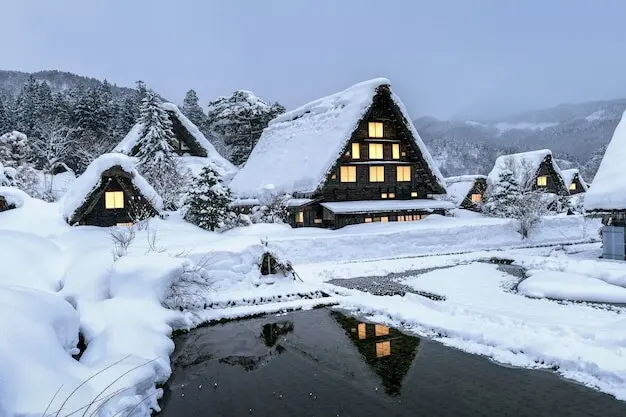
Flavor becomes a library when patience is honored. Learning to taste means noticing texture, temperature, and afterglow, then linking sensations to place and craft steps. Pairings celebrate context, connecting cellars and shores with breads, pickles, and drinks that support, not overshadow, the stories inside each bite.

Future-Proof Traditions: Climate, Ethics, and New Economies

Safeguarding these crafts means planning for hotter summers, harsher storms, and tighter margins. Makers retrofit cellars, harvest renewable energy, and coordinate transport to reduce waste. Fair contracts, transparent labels, educational tours, and apprenticeships invite communities to invest time and money, keeping value local while honoring shared stewardship.

Heatwaves, Floods, and Adaptation in Cellars and Sheds

Insulation, shaded intake vents, and emergency power help stabilize rooms during extremes. Flexible production calendars, backup brine, and community cold storage provide resilience when harvests arrive early or transport falters. Makers share data openly, turning regional cooperation into a safety net for delicate, timebound processes.

Fair Prices, Small Boats, and Pasture Stewardship

Ethical supply chains begin on water and pasture. Paying for quality, traceability, and seasonality lets fishers maintain small boats and shepherds protect grasslands and animals. Such commitments reward careful handling, reduce pressure on ecosystems, and return dignity to work that feeds neighbors beautifully.

Digital Storytelling, Tourism, and Apprenticeship Funds

Thoughtful storytelling builds markets that respect boundaries. Short films, maker diaries, and mapped trails welcome visitors while setting expectations about scale, safety, and season. Ticketed tastings and donations support apprenticeships, ensuring the next generation can afford to learn slowly without abandoning their villages or coasts.
Xariviromiraloro
Privacy Overview

This website uses cookies so that we can provide you with the best user experience possible. Cookie information is stored in your browser and performs functions such as recognising you when you return to our website and helping our team to understand which sections of the website you find most interesting and useful.